by | Jun 25, 2024

Landscape Lighting: Top 10 Stunning Ideas for 2024


Enhance Your Garden with Landscape Lighting

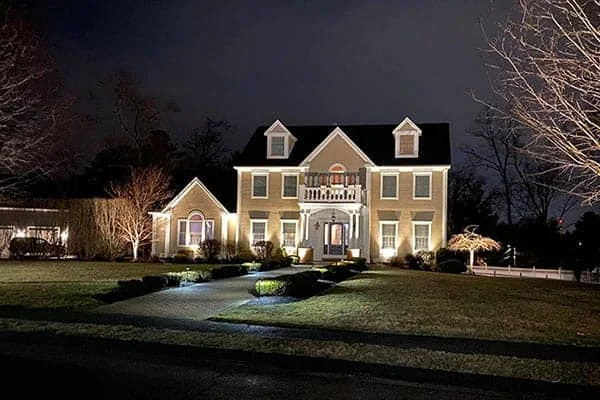
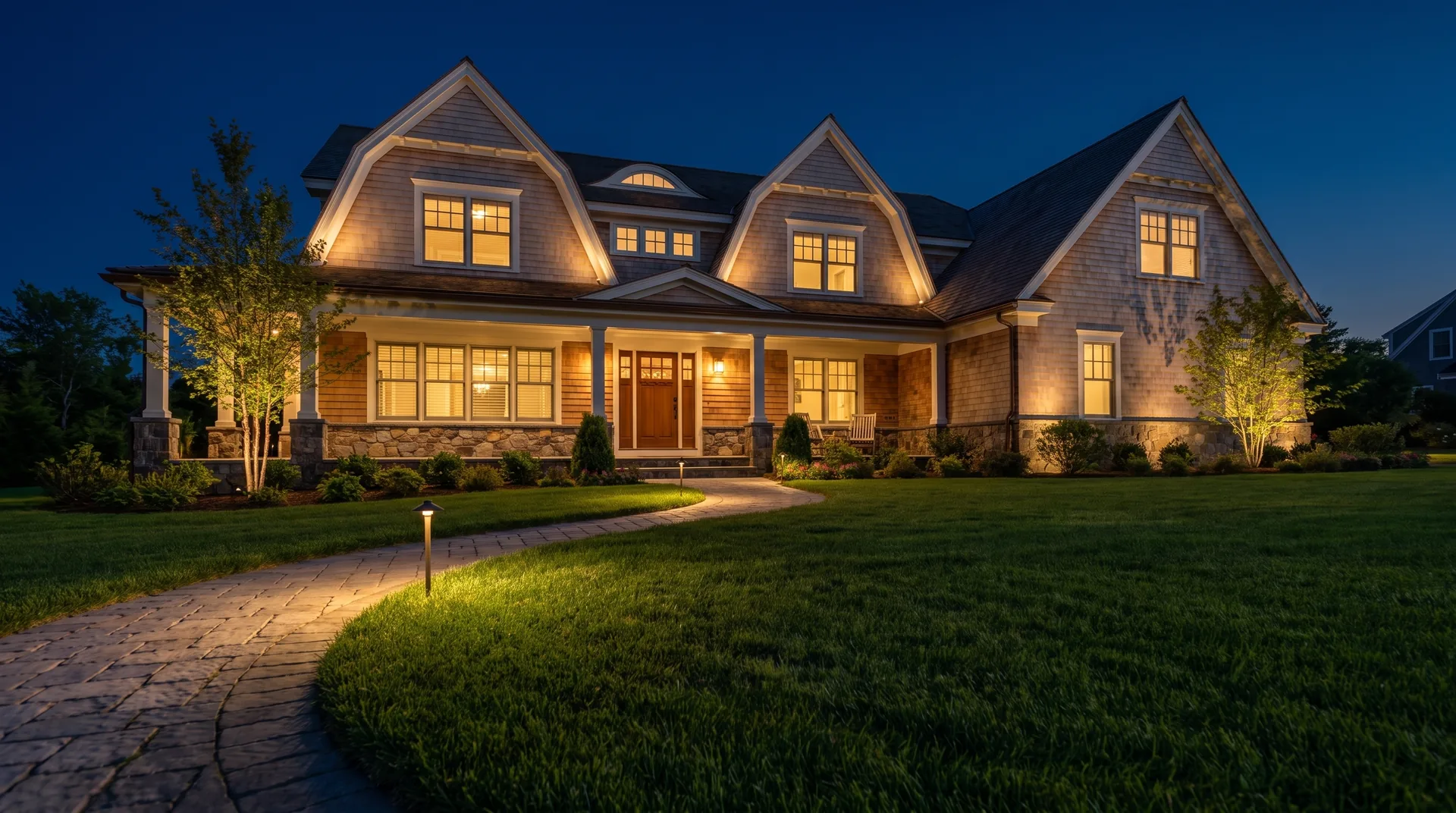
Landscape lighting isn’t just about visibility—it’s about transforming your outdoor space into a work of art. Whether you’re aiming to boost your garden’s aesthetics, improve security, or increase property value, effective landscape lighting can achieve it all.

Here’s a quick rundown of what landscape lighting can do:
Enhance Beauty: Highlight architectural features and accentuate garden elements.
Boost Security: Deter intruders and ensure safe pathways.
Increase Property Value: Well-lit exteriors add curb appeal and can raise your home’s market value.

My name is Peter Pappas, owner of P.J. Pappas Company, where we have specialized in landscape lighting for over 30 years. With a degree in horticulture and decades of field experience, I know what it takes to create stunning and functional lighting solutions.

Types of Landscape Lighting

When it comes to landscape lighting, there are several options to consider. Each type serves a unique purpose and can enhance different aspects of your garden. Let’s dive into four popular types: spotlights, flood lights, pathway lights, and solar lights.

Spotlight Features

Spotlights are perfect for accentuating specific features in your garden, such as statues, trees, or architectural elements. They have a narrow beam angle, which allows them to focus light on a small area, creating a dramatic effect.

  • Accentuation: Ideal for highlighting focal points.
  • Beam Angle: Narrow, for focused lighting.

Flood Lights

Flood lights are designed for wide coverage and high intensity. They are excellent for illuminating large areas, such as driveways or backyards. If you need to light up a broad space, flood lights are your go-to option.

  • Wide Coverage: Suitable for large areas.
  • High Intensity: Provides strong illumination.

Pathway Lights

Pathway lights are essential for safety and visibility. They illuminate walkways, making it easier to navigate your garden at night. These lights also add a touch of elegance to your pathways and can highlight the beauty of your landscape design.

  • Safety: Prevents tripping hazards.
  • Visibility: Enhances nighttime navigation.

Solar Landscape Lighting

Solar lights are known for their energy efficiency and sustainability. They harness sunlight during the day and convert it into electricity to light up your garden at night. While they are eco-friendly, they do require adequate sunlight to function effectively.

  • Energy Efficiency: Uses renewable energy.
  • Sustainability: Eco-friendly option.

Spotlight illuminating a tree - landscape lighting

Choosing the right type of landscape lighting can transform your garden into a stunning and functional outdoor space. Up next, we’ll explore the benefits of professional landscape lighting installation.

Benefits of Professional Landscape Lighting Installation

Professional landscape lighting installation offers several advantages that go beyond just illuminating your garden. Here are some key benefits:

Curb Appeal

Professionally installed landscape lighting enhances your home’s curb appeal. By accentuating architectural features and highlighting beautiful plants, your property looks more inviting and elegant.

Imagine driving home to a well-lit garden that showcases your home’s best features. This not only makes your home more attractive to visitors but also increases its market value.

Outdoor Living

Well-placed landscape lighting extends your outdoor living space. It allows you to enjoy your garden, patio, or deck even after the sun goes down. Whether you’re hosting a dinner party or simply relaxing, proper lighting creates a cozy and inviting atmosphere.

For example, pathway lights can guide guests safely to your outdoor seating area, while string lights add a warm, festive touch to social gatherings.

Safety

Safety is another critical benefit of professional landscape lighting installation. Proper lighting reduces the risk of accidents by illuminating walkways, steps, and other potential hazards. This is especially important for families with children or elderly members.

Pathway lights, for instance, ensure that everyone can navigate your garden safely, even at night.

Security

Finally, landscape lighting can significantly enhance your home’s security. Well-lit properties are less attractive to burglars and vandals. Motion-sensor lights can deter intruders by automatically turning on when someone approaches.

By investing in professional landscape lighting, you not only beautify your property but also make it safer and more secure.

Installation Tips for DIY Enthusiasts

Choosing the Right Voltage

When it comes to landscape lighting, selecting the right voltage is crucial. There are two primary options: 12V systems and 120V systems.

12V systems are low voltage and are ideal for most residential applications. They are safer to install and operate, making them perfect for DIY projects. These systems are also more energy-efficient and easier to adjust or expand.

120V systems, on the other hand, are high voltage and typically used for commercial properties or large-scale installations. These require professional installation due to the higher risk of electrical shock and more complex wiring requirements.

Tools and Materials Needed

Before you start your DIY landscape lighting project, gather the following tools and materials:

  • Cables: Use weather-resistant cables designed for underground use. For low voltage systems, 12-gauge or 14-gauge cables are common.
  • Transformers: These devices convert standard 120V household current to the 12V needed for low voltage systems. Choose a transformer with a wattage rating that exceeds the total wattage of your planned lights.
  • Fixtures: Select fixtures based on your lighting needs—spotlights for accentuating features, pathway lights for safety, and so on. Ensure they are durable and weather-resistant.

Low Voltage Systems

Low voltage systems are popular for their safety and ease of installation. Follow these steps to set up your system:

  1. Plan Your Layout: Sketch a diagram of your garden and mark where each light will go. Measure the distances to ensure you have enough cable.
  2. Install the Transformer: Mount the transformer close to a power source. Ensure it is protected from the elements, either by placing it in a weatherproof box or under a cover.
  3. Run the Cables: Lay out your cables according to your plan. Leave some slack at each fixture location to make adjustments easier.

Electrical Safety

Safety should be your top priority when working with electrical systems. Here are some tips:

  • Turn Off Power: Always turn off the power at the breaker box before starting any electrical work.
  • Use Outdoor-Rated Equipment: Ensure all cables, transformers, and fixtures are rated for outdoor use to withstand weather conditions.
  • Check Connections: Secure all connections tightly to prevent moisture from entering and causing shorts.

Trenching Techniques

Proper trenching is essential for hiding cables and protecting them from damage:

  1. Dig Shallow Trenches: For low voltage systems, trenches should be about 6 inches deep. This is deep enough to protect the cables but shallow enough for easy access.
  2. Use Conduit for Extra Protection: If you’re concerned about potential damage from gardening tools or animals, run your cables through PVC conduit.
  3. Cover and Tamp Down: Once the cables are in place, cover the trenches with soil and tamp it down to prevent settling.

By following these tips, you can create a beautiful and functional landscape lighting system that enhances your garden’s aesthetics and safety.

Next, we’ll explore the cost considerations in landscape lighting.

Cost Considerations in Landscape Lighting

When planning your landscape lighting, it’s important to understand why costs can add up. Let’s break down the key factors that contribute to the expense.

Material Quality

High-quality materials are essential for durable landscape lighting. Brass and copper fixtures are popular because they resist corrosion and last longer. While these materials might cost more upfront, they save you money in the long run by avoiding frequent replacements.

Weather Resistance

Outdoor lighting must withstand various weather conditions. Weather-resistant coatings and waterproof seals are crucial for ensuring your lights perform well year-round. Investing in weather-resistant fixtures means fewer repairs and replacements, which can save you money over time.

Design Complexity

The complexity of your lighting design can significantly impact costs. Custom designs that highlight specific garden features or create unique lighting effects require more planning and specialized fixtures. This level of detail can increase both material and labor costs.

Durability

Durability is another critical factor. LED lights, for example, are known for their long lifespan, often lasting between 50,000 to 100,000 hours. This durability reduces the need for frequent bulb changes, saving you both time and money.

Advanced Features

Modern landscape lighting often includes advanced features like smart controls and color-changing LEDs. These features provide greater flexibility and customization but come at a higher price. The convenience and enhanced functionality they offer can be worth the investment.

Professional Installation

While DIY installation might seem cost-effective, professional installation ensures optimal performance and safety. Companies like P.J. Pappas specialize in precise and professional installation, ensuring every component is correctly installed for optimal performance. This expertise can prevent costly mistakes and ensure your system operates smoothly.

By understanding these factors, you can make more informed decisions about your landscape lighting investment.

Frequently Asked Questions about Landscape Lighting

What is the best type of landscape lighting?

The best type of landscape lighting depends on your specific needs and preferences. Here are some popular options:

  • Spotlights: Ideal for highlighting specific features like trees or statues. They offer focused beams and can create dramatic effects.
  • Flood Lights: Great for wide coverage areas such as driveways and large gardens. They provide high-intensity light.
  • Pathway Lights: Perfect for illuminating walkways and enhancing safety. They create a welcoming ambiance.
  • Solar Lights: Best for energy efficiency and sustainability. However, they require ample sunlight to function effectively.

Each type has its advantages, so consider what you want to achieve with your garden lighting.

Is professional landscape lighting worth it?

Yes, professional landscape lighting is worth it for several reasons:

  1. Expertise: Professionals have specialized knowledge in landscape lighting. They stay updated with the latest technology and best practices.
  2. Precision Installation: Professionals ensure every component is installed correctly, which means optimal performance and longevity.
  3. Customized Solutions: They tailor the lighting plan to meet your specific needs, enhancing both aesthetics and functionality.
  4. Ongoing Support: Professional companies offer maintenance and support, ensuring your system runs smoothly year after year.

The investment in professional installation can save you time, prevent costly mistakes, and provide peace of mind.

Can I install my own landscape lighting?

Yes, you can install your own landscape lighting, but it requires some preparation and understanding of the basics. Here are a few tips:

  • Low Voltage Systems: These are safer and easier for DIY projects. They operate on 12V compared to 120V systems, reducing the risk of electrical hazards.
  • Tools and Materials Needed: You’ll need cables, transformers, and fixtures. Make sure to choose high-quality materials for durability.
  • Electrical Safety: Always turn off the power before starting any electrical work. Follow safety guidelines to avoid accidents.
  • Trenching Techniques: Proper trenching ensures cables are buried safely and won’t be damaged.

While DIY installation can be cost-effective, professional installation ensures optimal performance and safety, as mentioned earlier.

Conclusion

Enhanced Outdoor Experience

Landscape lighting transforms your garden into a magical space that you can enjoy day and night. Imagine walking through a beautifully lit pathway, hosting evening gatherings with friends around a softly illuminated patio, or simply enjoying the serene ambiance of your backyard. Proper lighting not only enhances the aesthetic appeal but also increases the functionality of your outdoor spaces. Whether you want to highlight your garden’s best features, ensure safe passage, or create a warm and inviting atmosphere, landscape lighting is the key to an enhanced outdoor experience.

P.J. Pappas Company Expertise

At P.J. Pappas, we specialize in creating custom landscape lighting solutions that bring your vision to life. With over 37 years of experience, we understand the nuances of designing and installing lighting systems that are both beautiful and functional. Our team is dedicated to providing you with the best possible service, from the initial consultation to the final installation and ongoing maintenance.

We use high-quality materials and the latest LED technology to ensure your lighting system is energy-efficient and long-lasting. Our expert technicians take care of every detail, ensuring that each component is installed correctly for optimal performance. We also offer personalized solutions tailored to your specific needs, whether you have a small residential garden or a large commercial property.

For those looking to elevate their outdoor spaces, trust P.J. Pappas to deliver exceptional results. Our commitment to quality craftsmanship and customer satisfaction sets us apart. Let us help you create an enchanting retreat that you and your guests can enjoy for years to come.

Ready to transform your garden with professional landscape lighting? Contact P.J. Pappas Company today to schedule a free estimate and take the first step towards an enhanced outdoor experience.


Guide to Choosing Landscape Lighting for Every Garden

Recent Posts