Residential Irrigation System: Top 5 Benefits in 2024
Why Residential Irrigation Systems Are Important
A residential irrigation system is a crucial investment for homeowners who want to keep their lawns looking lush and green, while also saving time, water, and money. These systems automate the watering process, ensuring your plants and grass receive the right amount of water at the right time. Here are some of the primary benefits and reasons why a residential irrigation system is important:
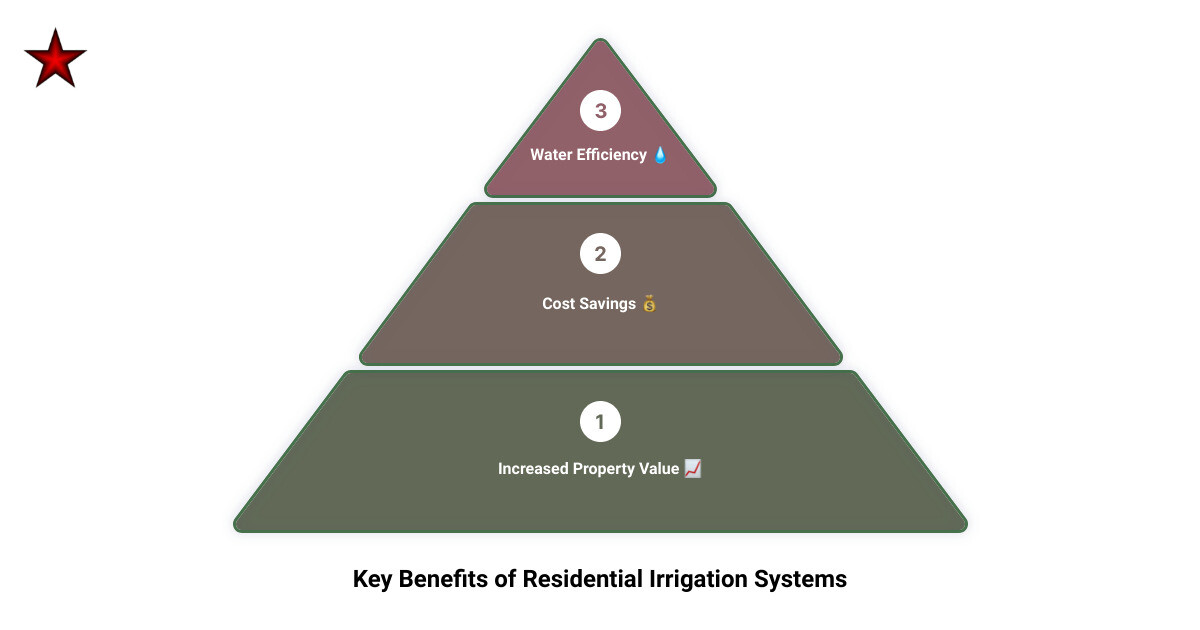
- Water Efficiency: Reduces water waste by delivering precise amounts where needed.
- Convenience: Automates the watering process, saving you time.
- Consistent Coverage: Ensures your lawn and garden are evenly watered.
- Improved Plant Health: Provides the optimal environment for plants to thrive.
- Cost Savings: Lowers water bills due to efficient water usage.
- Increased Property Value: Enhances curb appeal and makes your property more attractive to potential buyers.
A well-designed irrigation system can offer many of these advantages, turning a simple lawn into a thriving, green paradise.
I’m Peter Pappas, owner of P.J. Pappas Company. With over 37 years of experience in designing and installing residential irrigation systems, my team and I are committed to providing top-quality solutions that meet your specific needs.
Let’s explore how residential irrigation systems work and why they might be the perfect addition to your property.
Understanding Residential Irrigation Systems
What is a Residential Irrigation System?
A residential irrigation system is a setup designed to distribute water to your lawn, garden, or landscape efficiently and automatically. Unlike traditional watering methods like hand watering or using a garden hose, these systems ensure that your plants receive the right amount of water at the right time, without wasting resources.
These systems can be particularly valuable in situations where consistent watering is crucial. For example, during the CZU Lightning Complex wildfire in August 2020, an automated drip system kept a garden alive and thriving even during a three-week evacuation period, thanks to its battery-operated, gravity-fed design.
Components of a Sprinkler System
A residential irrigation system is composed of several key components that work together to ensure efficient water distribution. Here’s a breakdown of the main parts:
Valves: These control the flow of water to different parts of your landscape. Electric valves are commonly used in automated systems to open and close based on a predetermined schedule.
Pipes: These transport water from your main supply to the various emitters in your system. Pipes can be made from materials like PVC, copper, or polyethylene, depending on the system’s requirements.
Sprinkler Heads: These are the emitters that distribute water. They come in various types, including:
– Fixed Spray Heads: Ideal for small, fixed areas.
– Rotary Heads: Best for larger lawns, as they rotate to cover more ground.
– Drip Emitters: Deliver water directly to the soil, reducing evaporation and water waste.

Controllers: Also known as timers, these devices schedule when and how long each zone of your irrigation system will be watered. Advanced models can even adjust watering times based on weather conditions.
Sensors: These include rain sensors and soil moisture sensors that help optimize water usage by preventing over-watering.
By understanding these components, you can better appreciate how a residential irrigation system works to keep your landscape lush and healthy while conserving water.
Benefits of Installing a Residential Irrigation System
How Irrigation Systems Save Water
A residential irrigation system can be a game-changer for water conservation. One of the main ways these systems save water is through the use of timers and sensors.
Timers allow you to schedule watering sessions for optimal times, such as early morning or late evening, when evaporation rates are lower. This ensures that your plants get the water they need without wasting any.
Sensors like rain sensors and soil moisture sensors take water efficiency to the next level. Rain sensors can detect when it’s raining and automatically shut off the system, preventing unnecessary watering. Soil moisture sensors measure the moisture level in the soil and adjust watering schedules accordingly. This means your plants get just the right amount of water they need, no more, no less.
For example, during the CZU Lightning Complex wildfire in August 2020, an automated drip system saved a garden by running two 20-minute watering cycles daily, even during a three-week evacuation period. This system was battery-operated and gravity-fed, drawing water from a storage tank, showcasing how efficient and resilient these systems can be in conserving water.
Boosting Property Resale Value
Installing a residential irrigation system does more than just save water; it can also boost your property’s resale value. A well-maintained, lush lawn can significantly enhance your home’s curb appeal, making it more attractive to potential buyers.
Market Appeal: A beautiful, green lawn can make your property stand out in the real estate market. Buyers often look for homes that require less maintenance, and an automated irrigation system offers just that. It ensures that your lawn stays healthy and vibrant without the need for constant manual watering.
Investment Return: While the initial cost of installing an irrigation system might seem high, the long-term benefits often outweigh the expense. A professionally installed system can last upwards of 20 years with proper maintenance. This longevity, coupled with the water savings and increased property value, makes it a worthwhile investment.
In summary, a residential irrigation system not only conserves water and reduces your water bills but also boosts your property’s resale value. With the right combination of timers, sensors, and professional installation, you can enjoy a lush, healthy lawn while making a smart investment in your home’s future.
Planning and Installing Your Residential Irrigation System
Choosing the Right System for Your Lawn
When planning your residential irrigation system, the first step is to choose the right type of system for your lawn. There are two main types: sprinkler systems and drip irrigation systems.
Sprinkler Systems: Ideal for larger lawns, these systems distribute water through heads that spray water over a wide area. They mimic natural rainfall and are great for covering large patches of grass. However, they can be less efficient due to water evaporation.
Drip Irrigation Systems: Best suited for gardens, flower beds, and smaller areas. These systems deliver water directly to the base of plants through a network of tubes and emitters. They are highly efficient, reducing water waste and ensuring that plants get the moisture they need.
System Size: The size of your irrigation system should match the size of your lawn. For a smaller yard, a drip system might be sufficient. For larger lawns, a sprinkler system will cover more ground efficiently.
DIY vs. Professional Installation
Tools Required and Skill Level
Installing an irrigation system can be a complex task. Here’s a breakdown of what’s needed for both DIY and professional installations:
DIY Installation:
– Tools Required: Tape measure, water pressure gauge, string, marking pen, pencil, paper, shovel, and basic plumbing tools.
– Skill Level: Moderate to high. You need to measure your yard, calculate water pressure and flow, and understand how to lay out and connect the system components. Mistakes can lead to inefficient watering or damage to your lawn.
Professional Installation:
– Tools Required: Professionals come equipped with specialized tools and equipment.
– Skill Level: High. Professionals have the expertise to design and install the system efficiently. They can also handle any unforeseen issues that arise during installation.
Design and Installation
Design: Start with a rough sketch of your yard. Include all landscape features such as trees, flower beds, and hard surfaces like driveways and patios. This will help in planning the layout of your irrigation system.
Installation: For DIY enthusiasts, follow these steps:
1. Measure Water Pressure: Use a water pressure gauge to ensure your system will operate efficiently.
2. Calculate Water Flow: Use a 5-gallon bucket and a timer to determine your flow rate in gallons per minute (GPM).
3. Select Components: Choose the right valves, pipes, and sprinkler heads or emitters based on your yard’s needs.
4. Lay Out the System: Use your sketch to mark where each component will go.
5. Install the System: Dig trenches for pipes, connect all components, and test the system to ensure proper operation.
For those who prefer professional help, hiring a specialized company like P.J. Pappas ensures precision and expertise. They provide customized solutions tailored to your lawn’s specific needs, ensuring efficient and effective watering.
In summary, whether you choose a DIY approach or professional installation, careful planning and proper system selection are crucial for a successful residential irrigation system. Next, we’ll discuss how to maintain your new system to keep it running smoothly.
Maintaining Your Residential Irrigation System
Once your residential irrigation system is installed, regular maintenance is key to keeping it running efficiently. Let’s dive into the routine checks and common issues you might face, along with some simple fixes.
Routine Checks and Balances
Regular Inspections
Performing regular inspections is crucial. Check your system at least once a month to ensure everything is functioning correctly. Look for any visible signs of wear and tear, such as broken sprinkler heads or damaged pipes.
Seasonal Adjustments
Adjust your system settings seasonally. During hotter months, your lawn may need more water, while in cooler months, you can reduce the watering frequency. This helps in conserving water and keeping your lawn healthy.
Timer and Sensor Checks
Make sure your timers and sensors are working correctly. Timers help regulate the watering schedule, and sensors can shut off the system when it rains, saving water and preventing overwatering.
Common Issues and Fixes
Leaks
Leaks are a common issue and can waste a lot of water. Look for soggy spots in your yard or water seeping up from the ground around your sprinkler heads. If you find a leak, turn off the water supply and replace the damaged part or seal the leak with appropriate materials.
Blockages
Blockages can occur in the pipes or sprinkler heads, reducing water flow. To fix this, first, turn off the system. Then, remove the affected sprinkler head and clean it thoroughly. If the blockage is in the pipe, you might need to flush the system or use a pipe cleaner.
Misaligned Sprinkler Heads
Sometimes, sprinkler heads can become misaligned, causing uneven watering. Adjust the heads to ensure they are spraying in the correct direction and covering the intended area. This helps in avoiding dry patches and overwatered spots.
Clogged Emitters in Drip Systems
Drip irrigation systems are efficient but can suffer from clogged emitters. Regularly check the emitters and clean them if they are clogged. You can soak them in vinegar or use a small brush to remove debris.
Keeping your residential irrigation system well-maintained not only ensures a healthy lawn but also conserves water and saves money on utility bills. Regular checks, seasonal adjustments, and prompt fixes for common issues will keep your system running smoothly for years to come.
Next, we’ll answer some frequently asked questions about residential irrigation systems, including costs and installation options.
Frequently Asked Questions about Residential Irrigation Systems
How Much Does a Residential Irrigation System Cost?
The cost of installing a residential irrigation system can vary greatly depending on several factors, such as the size of your lawn, the type of system you choose, and whether you opt for professional installation.
Installation Costs:
- Sprinkler Systems: Typically more expensive due to the complexity and the need for underground piping. Prices can range from $2,000 to $5,000 for an average-sized yard.
- Drip Systems: Generally less costly and more efficient, with prices ranging from $300 to $1,200.
Maintenance Costs:
Maintenance is crucial for the longevity and efficiency of your irrigation system. Routine maintenance costs can be minimal if you handle basic tasks yourself, such as cleaning emitters and adjusting sprinkler heads. However, professional maintenance services might cost between $75 to $200 per visit, depending on the complexity of the system and the extent of the work needed.
Can I Install My Own Irrigation System?
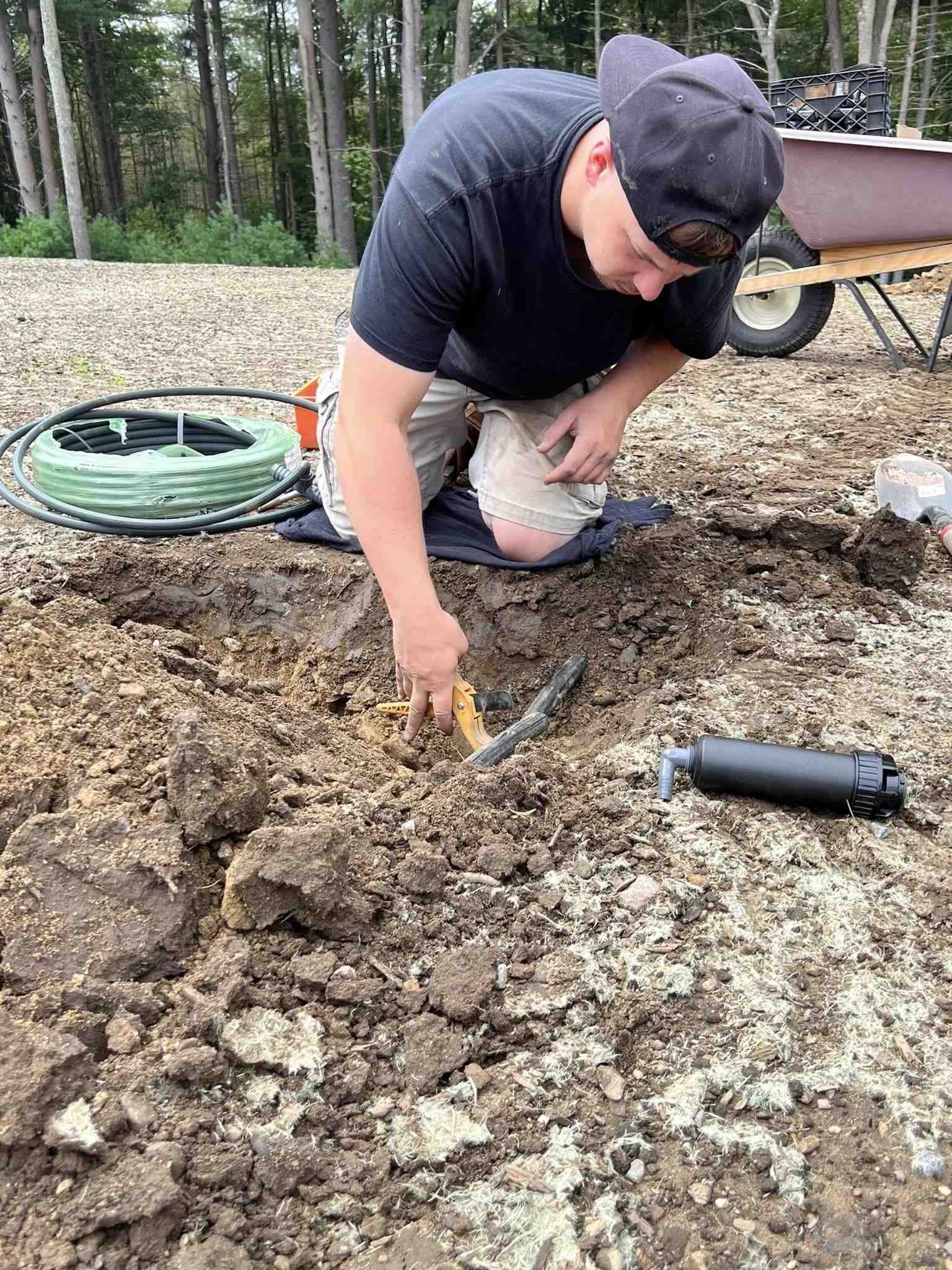
While installing a residential irrigation system can be a rewarding DIY project, it requires careful planning, the right tools, and some basic plumbing knowledge.
Steps for DIY Installation:
- Plan Your System: Sketch your yard and identify zones based on plant types and water needs.
- Check Water Pressure and Flow Rate: Use a water pressure gauge and a 5-gallon bucket to measure your water supply.
- Choose the Right Components: Select valves, pipes, and sprinkler heads based on your yard’s needs.
- Dig Trenches: Lay out the piping and dig trenches accordingly.
- Install the System: Connect pipes, valves, and sprinkler heads. Ensure everything is secure and leak-free.
- Test and Adjust: Turn on the system to check for leaks and make necessary adjustments.
Tools Needed:
- Water pressure gauge
- Tape measure
- Shovel
- Pipe cutter
- Wrenches
- PVC cement and primer
While a DIY approach can save money, hiring a professional ensures the system is installed correctly and efficiently, which can save you time and potential headaches down the road.
What is the Difference Between an Irrigation System and a Sprinkler System?
Terminology and Function:
- Irrigation System: A broad term that includes various methods of watering plants, ranging from simple manual watering to advanced automated systems. It encompasses both sprinkler systems and drip irrigation systems.
- Sprinkler System: A type of irrigation system that uses sprinkler heads to distribute water like rainfall. Sprinklers can be above-ground or in-ground and are excellent for covering large areas.
All sprinkler systems are irrigation systems, but not all irrigation systems are sprinklers. The choice between them depends on your specific watering needs, the size of your lawn, and your budget.
Understanding these key differences and considerations will help you make informed decisions about installing and maintaining your residential irrigation system.
Next, we’ll conclude with a summary of the long-term benefits of investing in a residential irrigation system and how P.J. Pappas Company can help you achieve a lush, healthy lawn.
Conclusion
Investing in a residential irrigation system offers numerous long-term benefits.
First and foremost, it saves water. Modern systems use timers and sensors to ensure your lawn gets just the right amount of water at the right time. This not only conserves water but also reduces your utility bills. A well-designed system can cut water usage by up to 50%, according to a study by the Center for Irrigation Technology.
Second, it boosts property value. A lush, green lawn is visually appealing and can significantly increase your home’s market value. Prospective buyers appreciate the convenience and efficiency of an automated irrigation system, making your property more attractive.
Third, it saves you time. Manual watering can be time-consuming and inconsistent. An automatic system takes care of this task for you, freeing up your time for other activities.
P.J. Pappas Company Specialization
When it comes to installing a residential irrigation system, expertise matters. At P.J. Pappas Company, we specialize in designing and installing customized irrigation solutions. Our focus on irrigation and landscape lighting ensures that we stay updated with the latest technology and best practices.
Here’s why choosing us makes a difference:
- Expertise: With over 37 years of experience, our team is dedicated solely to irrigation and landscape lighting. This allows us to provide the most efficient and effective solutions tailored to your lawn’s needs.
- Precision Installation: Our specialized focus ensures that every component is installed correctly for optimal performance. We use high-quality products from trusted brands like Rain Bird to ensure reliability and longevity.
- Customized Solutions: Whether you have a small residential lawn or a large commercial property, we design systems that meet your specific requirements.
- Dedicated Service: We offer ongoing maintenance and support to keep your system running smoothly year after year.
By choosing P.J. Pappas Company, you can have peace of mind knowing that your irrigation system is in the hands of dedicated professionals. We take pride in our work and strive to exceed your expectations every step of the way.
For more information on how to design a lawn sprinkler system, visit our Lawn Sprinkler System Design page.
Invest in a residential irrigation system today and enjoy a beautiful, healthy lawn with minimal effort.